


Although prostatitis is considered a disease that only affects men over 40, it is often diagnosed in young people.What are the reasons for the development of urological diseases in young people?
What is Prostatitis?
Prostatitis is a purely male disease that is caused by inflammatory damage to the prostate.
The disease can occur in one of two forms – acute or chronic.The acute form is characterized by pronounced symptoms, while the chronic form is not so easy to diagnose because its manifestations are less noticeable.
Prostatitis can cause serious complications such as complete loss of sexual desire or infertility.
It is extremely important to know the symptoms of prostatitis and promptly seek the help of a specialist.
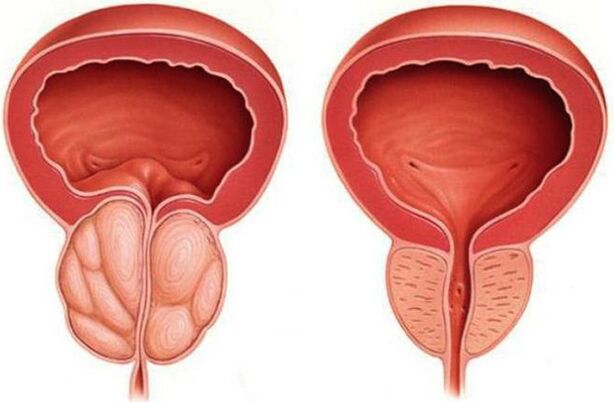
The main signs of prostate inflammation include:
- Painful urination.
- Pain in the groin and lower abdomen.
- Decreased sexual desire and reduced potency.
- Frequent urge to urinate.
- Increased body temperature, sweating.
- Premature ejaculation.
- Fatigue, general weakness.
Reasons for appearing after 20 years
The reasons for the development of the inflammatory process in the prostate in young men are often associated with an incorrect lifestyle and a careless attitude towards their health.
The most likely causes of prostatitis at a young age are unprotected intercourse or promiscuous sexual relationships.Various sexually transmitted infections that can be transmitted from the partner to the man are initially dangerous.
Any undetected or ignored disease inevitably leads to prostate complications over time.The difficulty is that some infectious diseases are asymptomatic and therefore identifying them is quite problematic.
The most harmful infections for men's health are:
- Gonorrhea.
- Candidiasis.
- Chlamydia.
- Candidiasis.
- Syphilis.
- Trichomoniasis.
After penetrating the body, the pathogens of these diseases gradually reach the prostate via the urethra.This leads to infectious prostatitis, which absolutely requires therapy.If the inflammation is not cured in time, it turns into a chronic stage.
Another common cause of prostatitis in men over 20 is prolonged sexual abstinence and frequent overstimulation.Both a large number of sexual relationships with different partners and the lack of sex can lead to inflammation of the prostate.Regular intimate life ensures normal blood flow to the pelvic organs and protects against prostate congestion.
Sexual abstinence disrupts the natural functions of the organ, which ultimately provokes an inflammatory process.
Another common cause of illness in young people is hypothermia.If you stay outside for a long time in windy and frosty weather without dressing too warmly, your groin area begins to hurt - this is your body's signal of danger.Subsequently, severe hypothermia can lead to prostatitis.
Reasons for appearing after 30 years
By and large, prostate inflammation in 30-year-old men has the same causes as in younger men.Men who:
- You lead an inactive lifestyle.Physical inactivity leads to blood pooling in the pelvic area, which creates a favorable background for the development of inflammation.
- You abstain from sex for a long time;
- Do you suffer from chronic urinary tract diseases?Typically, cystitis and urolithiasis are the triggers of prostatitis at a young age.
- Don't protect yourself with a condom.
- Do heavy physical labor.When there is excessive strain, the pressure in the peritoneum increases, disrupting blood flow to the pelvic organs.
Pathology can occur as a result of the action of some other factors:
- Hormonal imbalance.A lack of male hormones in the body does not have the best effect on potency and the ejaculation process.
- The presence of diseases of the digestive tract.
- Groin injuries.
- Excessive alcohol consumption.
- Drug use.
- Lack of vitamins and microelements.
- Poor diet.
- Disorder of the musculoskeletal system.In men suffering from osteochondrosis, the risk of developing prostatitis increases significantly.
- Stress.
Diagnosis and treatment
If you notice the first symptoms of prostate inflammation, you should consult a urologist.The doctor will perform a rectal examination and also palpate the prostate to detect an inflammatory process.
The urologist then prescribes further diagnostic procedures (tomography, necessary examinations) and refers him to other specialists.Young men usually need a consultation with a venereologist to rule out infectious diseases.
The treatment of the disease must be individual and comprehensive.The basis of therapy is taking anti-inflammatory medications.Depending on the cause of the inflammation, antibiotics and antifungals are selected to combat the infection.
A specialist usually prescribes antibiotics:
- Penicillins.
- Cephalosporins.
- Group of macrolides.
Local treatment is also prescribed, which includes:
- Prostate massage.
- Physiotherapy.
- Immunotherapy.